Gothic Grandma.

Ever wondered what it is like to be...?

...be their muse and guide their story.

scroll

Ever wondered what it's like to fight a dragon?

Let's find out, with MUSE.

scroll

What is MUSE?

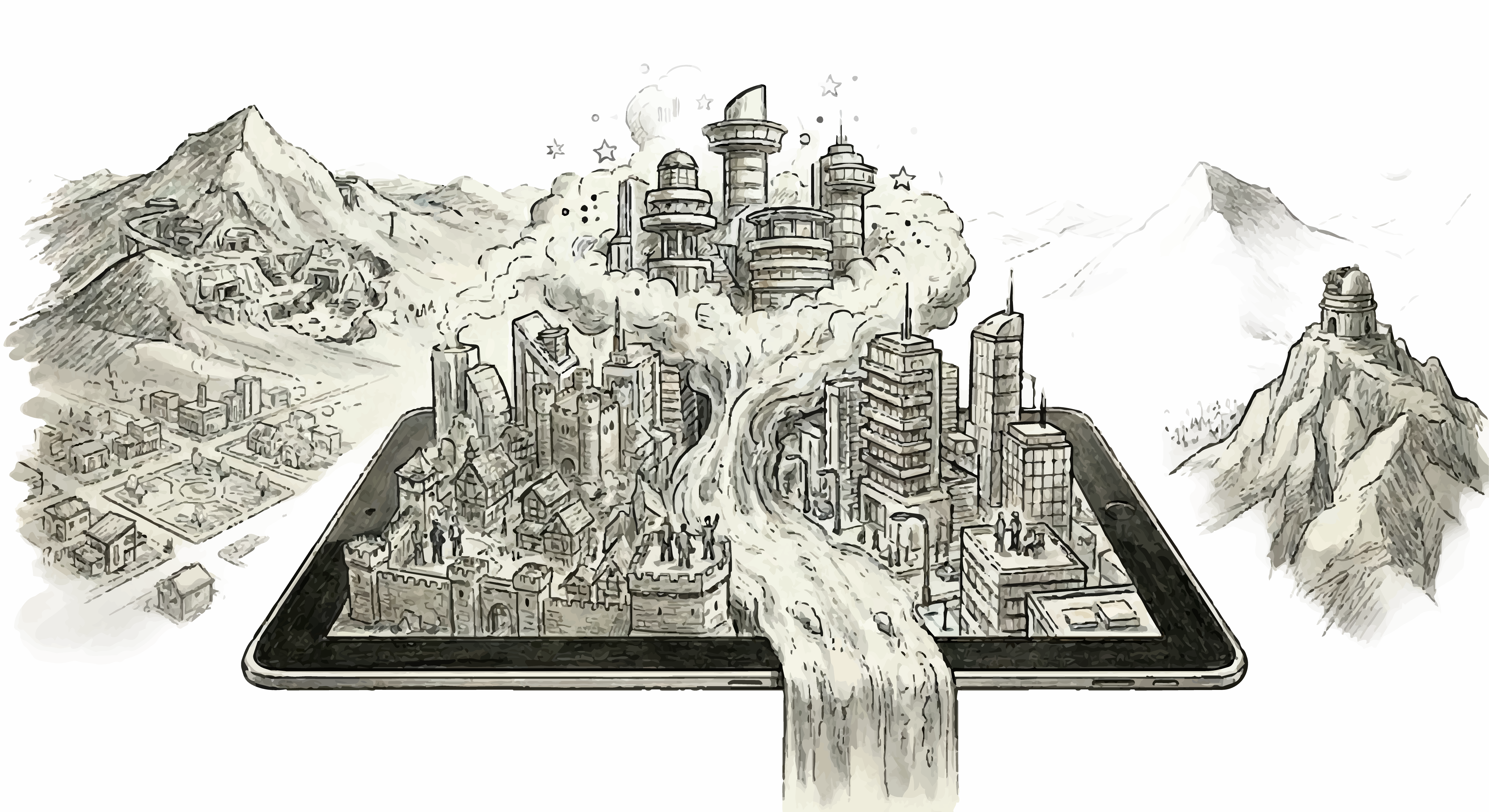
A simulation of living worlds with endless possibilities.
MUSE Living Worlds will be our first medium built on MUSE, where you influence what characters notice, remember, and choose — and the world responds with consequences.

A living world in motion, where dopamine, weather, and memories all shape what happens next

Hover to enter Tap to play

You do not control the character.
You are their muse. You suggest — the rest emerges.

MUSE allows for realistic behaviors, but more importantly, by playing the role of a muse, and not simply controlling a character, it enables experiences where perspective-taking isn't optional—it's inevitable. Anyone can embody any character: different ages, abilities, identities, or even fantastical beings.

The MUSE Ecosystem

The MUSE Ecosystem—or MUSE for short—is our core platform. A scientifically grounded multi-tool platform for authoring, compiling, and running living worlds. Designers and researchers build modular systems of psychology, biology, and environment; MUSE compiles these into deterministic simulation logic that drive emergent character behavior over time—designed to bring many thousands of characters to life all at once.

At the core is our FONT Simulation Engine, powering applications ranging from interactive fiction and narrative media, like MUSE Living Worlds, to research-grade behavioral modeling and applied simulation in education, healthcare, and beyond.

Gothic Grandma

Meet the Muses

Eight muses working in harmony to bring living worlds to life.
Hover to reveal each muse's purpose.

Tap a card to reveal

Core Platform

The foundation powering all living worlds

Fo
FONT
The Wellspring
The world that breathes.
The simulation engine where characters have needs, memories, and constraints. Behavior isn't scripted — it emerges.
Beta
Ba
BABEL
The Voice
Thought made word.
The language layer that translates simulation into prose, adapting to character, context, and reader.
Alpha

Workbenches

Development tools for building and researching worlds

Cy
CYPHER
The Architect
Where systems are born.
The research workbench for designing, testing, and perfecting the models that drive FONT.
Alpha
Cl
CLIO
The Scribe
Memory of the maker.
Development management and knowledge tracking. Every decision, every insight, preserved.
Beta
CLIO workbench preview
Cx
CODEX
The Creator
Worlds written into being.
The content creation workbench where designers build entities, templates, and living world data.
Early Alpha
Py
PYTHIA
The Researcher
Populations under glass.
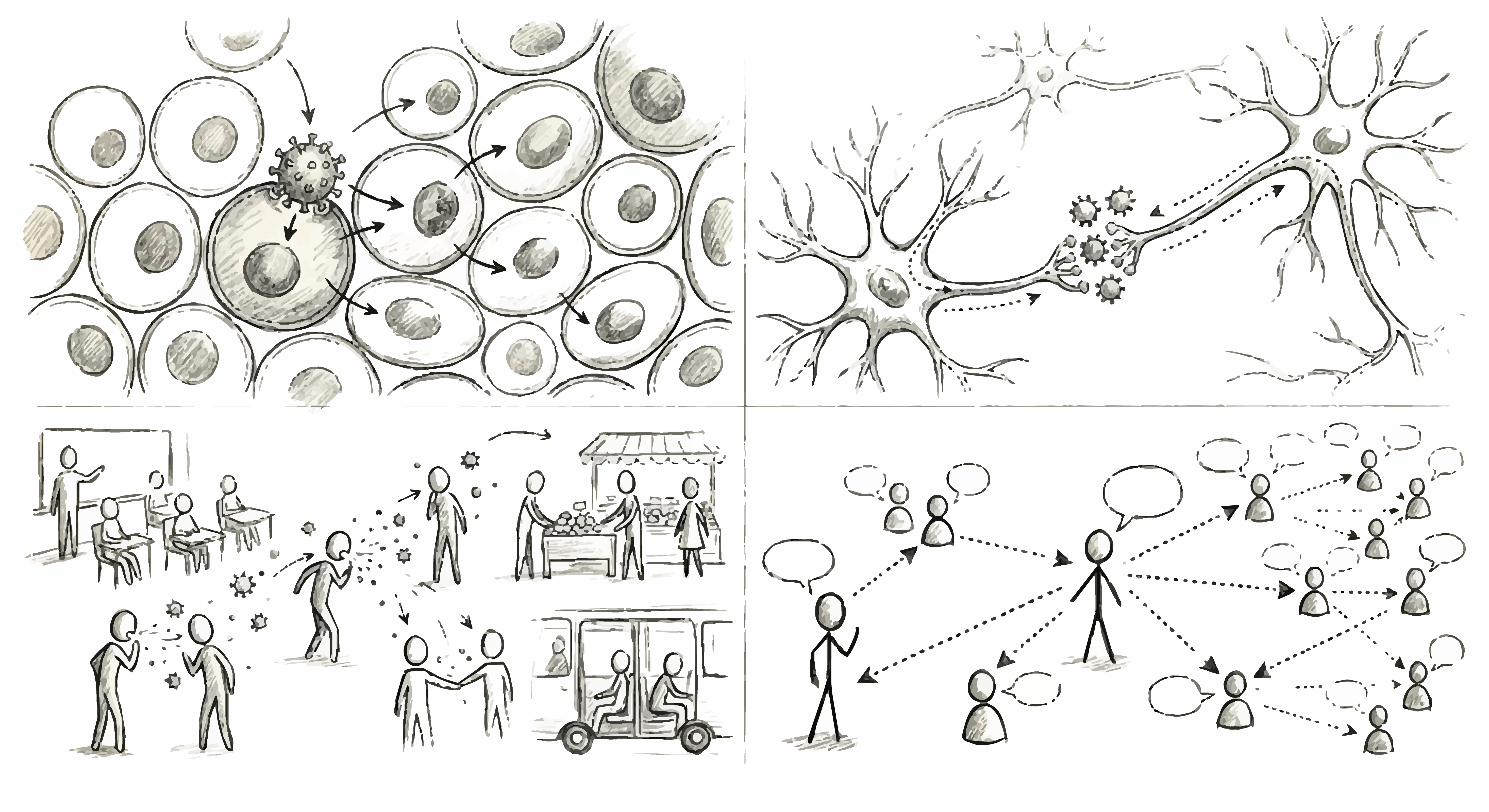
Population-level research for scientists, policy makers, and beyond. Twin studies, epidemiology, social dynamics—controlled experiments at scale.
Planned

Consumer Apps

Where readers experience living worlds

Ca
CALLIOPE
The Portal
Gateway to worlds.
The marketplace and launcher where players discover, acquire, and launch Living Worlds.
Alpha
Gl
GLYPH
The Canvas
Seeing through other eyes.
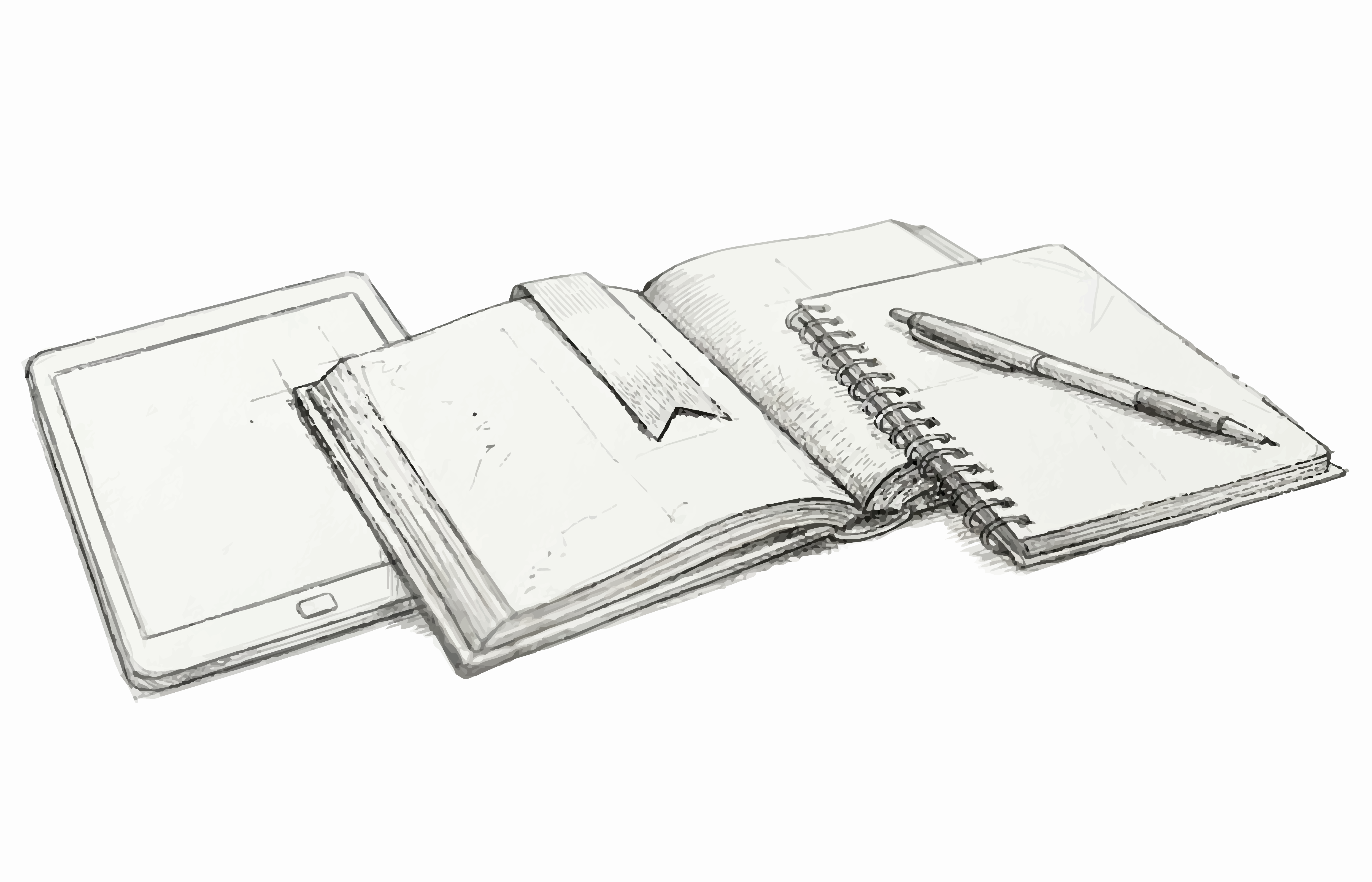
The e-reader that renders Living Worlds, translating simulation into immersive narrative experience.
Alpha

How It's Different

MUSE is built on transparent, scientifically grounded system models—not AI word matching or branching scripts—that we can modify as human understanding grows.

✕ Typical AI Characters

  • Language models
    Predict what sounds right based on text patterns
  • Black boxes
    Can't explain why they do what they do
  • Hallucinate & forget
    No persistent memory or causal tracking
  • No actual needs
    No biology, no bodies, no real constraints

✓ MUSE Characters

  • Biological simulation
    Hunger, fatigue, stress—real physiological needs
  • Transparent models
    Every behavior traces to a scientific model
  • Causal memory
    Persistent, interconnected memories with emotional weight
  • Embodied cognition
    Attention, emotion, decision-making shaped by body & environment

Behavior isn't generated. It emerges.

When a character snaps at you, it's because they're exhausted and hungry and you just reminded them of something painful. Not because a language model calculated that "snapping" was statistically likely. This is why MUSE characters feel real.

1,000s
Living Worlds
Every character built on the same simulation core—shopkeepers have lives too
100k+
Research Scale
GPU acceleration enables population-level studies impossible in the real world
50+
Languages
Authentic representation through community partnerships

The story continues...

Contents

Join the Journey

Be the first to experience MUSE Living Worlds. Sign up for early access and development updates.

Get Early Access →

Or reach us at hello@gothicgrandma.com