The Core Team at Gothic Grandma.
We are researchers, engineers, and builders creating simulation as a new cultural and scientific medium.
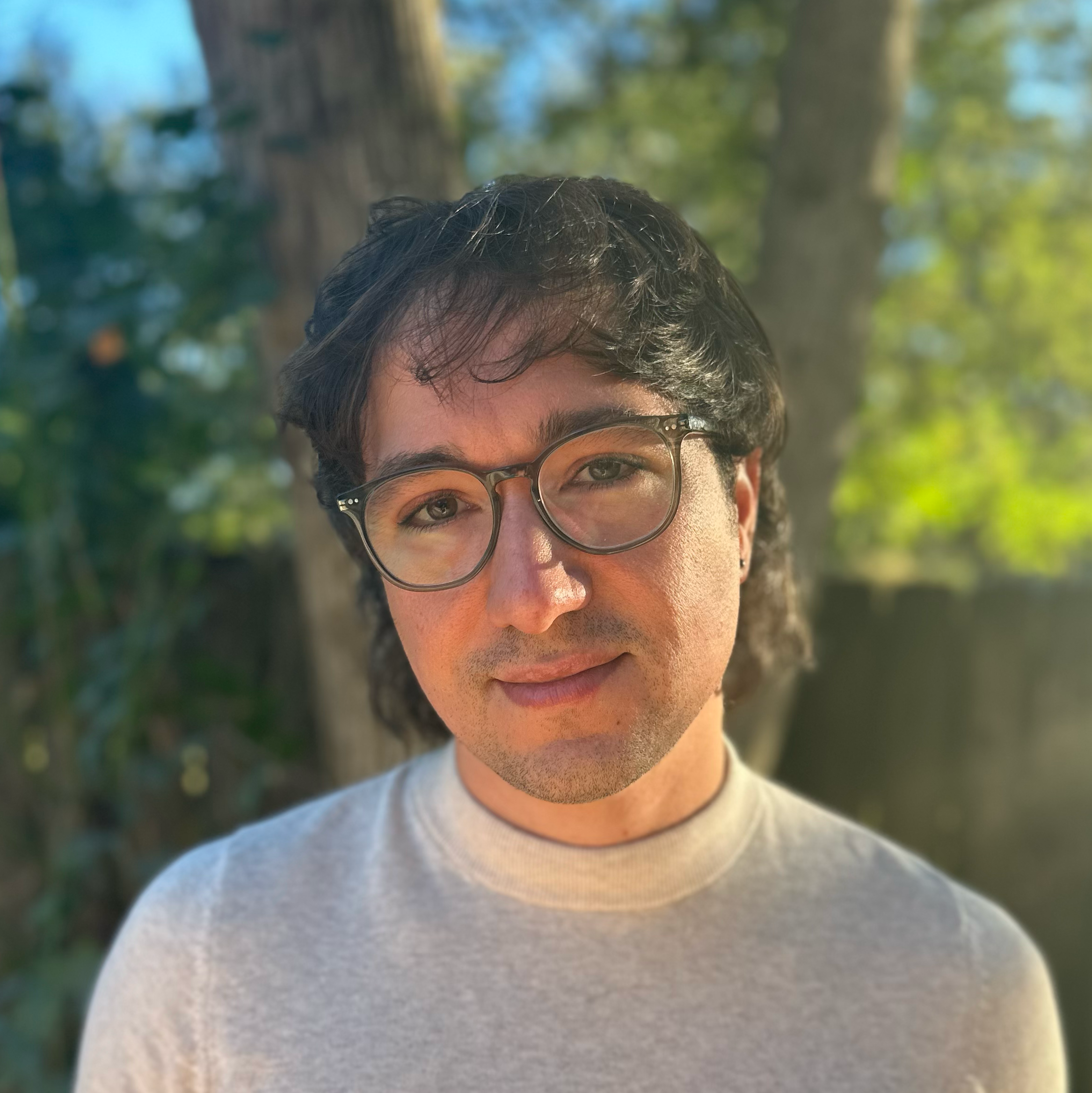
Nathan Baune, PhD
Founding Director & Principal Architect
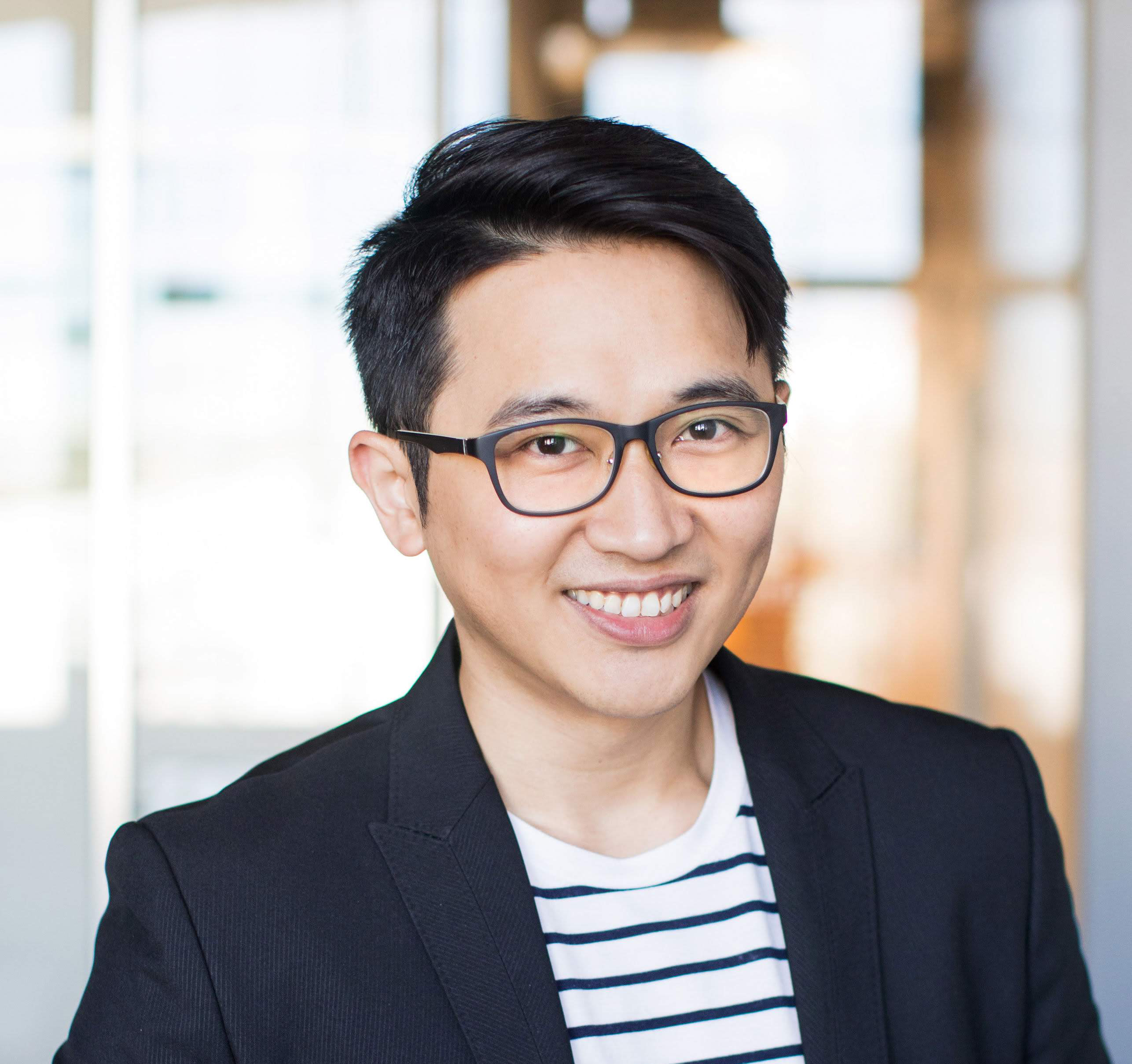
Benny Chen, PhD
Founding Director of Data Science
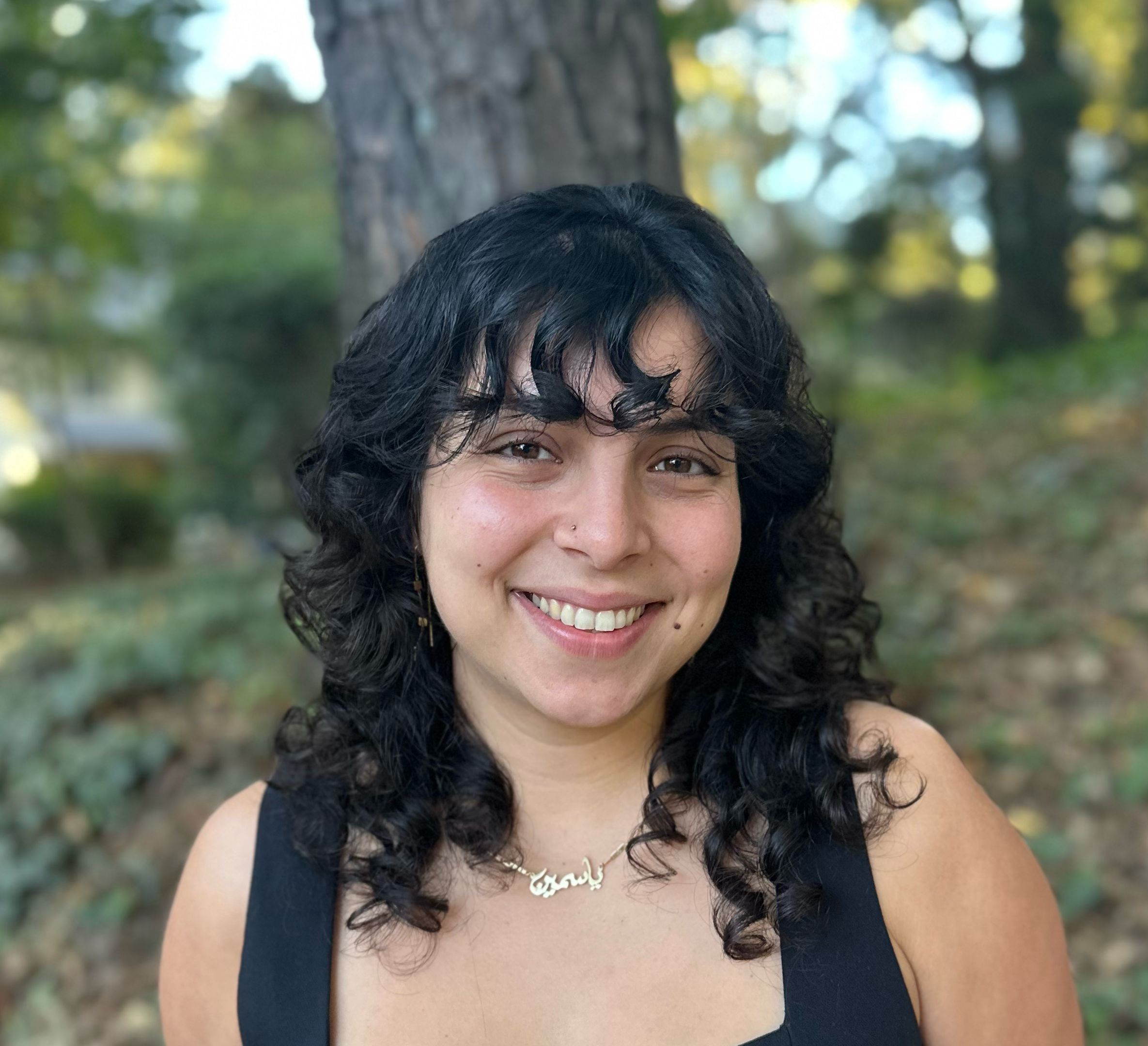
Yasmine Bassil
Founding Director of Operations
Founding Director & Principal Architect
Nathan has been experimenting with the translation of cognition and neuroscience architectures into software runtimes since 2019. A computational neuroscientist and biomedical engineer with a scientific background/obsession in complex adaptive systems, he works from GPU kernels and databases all the way up to making sure a button's shade of green is just right. He holds a PhD in Rehabilitation Science (Washington University, 2020) and brings deep expertise in engine architecture and GPU engineering to every layer of the platform. His research and engineering work at WashU and Emory University, supported by the American Heart Association and American Parkinson Disease Association, centered on measuring and modeling perception, action, and learning in real-world contexts. Previously co-founded health-tech startup Proprio with Benny, securing federal funding (NIDILRR) to develop wearable sensor monitoring systems for post-stroke rehabilitation. At Gothic Grandma, Nathan is responsible for MUSE's simulation engine architecture and GPU engineering — the technical foundation everything else is built on.
Founding Director of Data Science
Benny is a full-stack data scientist with a PhD in Rehabilitation Science (Washington University, 2019) and 15+ years of experience spanning research and production environments. His data science background spans statistical analysis, machine learning deployment, data pipeline architecture, and wrangling complex data from diverse sources. A prior ML researcher at Shirley Ryan (Chicago, IL) and currently a Senior Data Scientist at Children's Hospital of Philadelphia, Benny brings rigorous scientific standards to every layer of MUSE's data infrastructure. Previously co-founded health-tech startup Proprio with Nathan, securing federal funding (NIDILRR) to develop wearable sensor monitoring systems for post-stroke rehabilitation. At Gothic Grandma, Benny owns the data observatory — designing the GG.Flow node library that connects simulation output to real-world analysis pipelines, architecting time series storage for large-scale simulation runs, orchestrating Monte Carlo ensembles, and building the statistical analysis and reporting systems that turn raw simulation data into insight. He closes the validation loop between what MUSE produces and what the science demands.
Founding Director of Operations
Yasmine is a neuroscientist bridging research insight with operational leadership, inclusive design, and public communications. PhD Candidate (Emory University, expected Spring 2026) and NSF Graduate Research Fellow investigating cognitive changes across the lifespan. Yasmine has contributed to foundational work in multi-modal neuroimaging, is an award-winning teacher and mentor, and a nationally recognized leader in diversity, equity, and inclusion. At Gothic Grandma, she leads operational strategy, systems design consultation, and all partnerships and public communications — ensuring that everything we build and everything we say reflects genuine partnership with the communities we serve. Her extensive community engagement experience — including research with Atlanta's older adult community, leadership in the international Arabs in Neuroscience organization, creation of Atlanta's first Brainhack in 2019, founding Georgia Tech's International Student Task Force, and collaborations with multicultural student organizations across institutions — means our cultural authenticity comes from lived experience, not assumption. Our team's diverse backgrounds span multiple languages, cross-cultural navigation, chronic health conditions, neurodiversity, LGBTQ+ identities, refugee displacement, and immigration. These experiences shape every design decision — from cognitive accessibility to authentic representation.
All three founders are as obsessed with karaoke as they are with brains.